I did not fully understand its significance then. I had never sat in a cockpit. I had never felt the pull of military service or understood the sacrifices demanded by a life in uniform. Yet those words stirred something deep within me.
The line, “slipped the surly bonds of Earth”, felt less like poetry and more like a glimpse into a world I longed to enter. To a young boy who spent countless hours gazing skyward whenever an aircraft passed overhead, those words were magic. They spoke of freedom, possibility, courage, and the irresistible human desire to rise beyond limitations.
Looking back now, I realize that the poem did more than inspire a dream of flying—it taught me to look beyond the machine and toward the person inside it. Behind every aircraft was a pilot. Behind every pair of wings was a story.
Perhaps that is why, even though I never became the fighter pilot I once hoped to be, I have spent years trying to tell the stories of those who did. Every time I write about a young aviator climbing into the cockpit before dawn, or a veteran remembering the skies he once called home, I hear echoes of that poem and the teenager who first read it.
The dream of flight may have taken a different course in my life, but the wonder it awakened never faded. It simply found another expression—in words, in stories, and in a lifelong attempt to honour those who truly touched the face of the sky.
Life, however, has a peculiar way of writing its own flight plan. Not every dream reaches the runway. Not every aircraft gets airborne. Not every young man becomes what he imagined he would be. Mine did not. The cockpit remained beyond reach. The dream remained a dream. And for a very long time, I carried that disappointment quietly. The world sees the outcomes. It rarely sees the private grief of unrealized aspirations. People move on.
Life moves on. Careers are built. Families are raised. Responsibilities multiply. But somewhere inside us, a younger version remains. Still standing near a runway. Still watching aircraft disappear into the horizon. Still wondering, what if?
Perhaps that is why the stories of servicemen and women have always touched something deep within me. Because in many ways, they lived the life I once dreamt of. The pilot who strapped into a fighter aircraft. The soldier who stood guard on a freezing Himalayan post. The sailor who disappeared into the vastness of the ocean for months at a time. The special forces operator who slipped silently into the darkness knowing there were no guarantees of coming home.
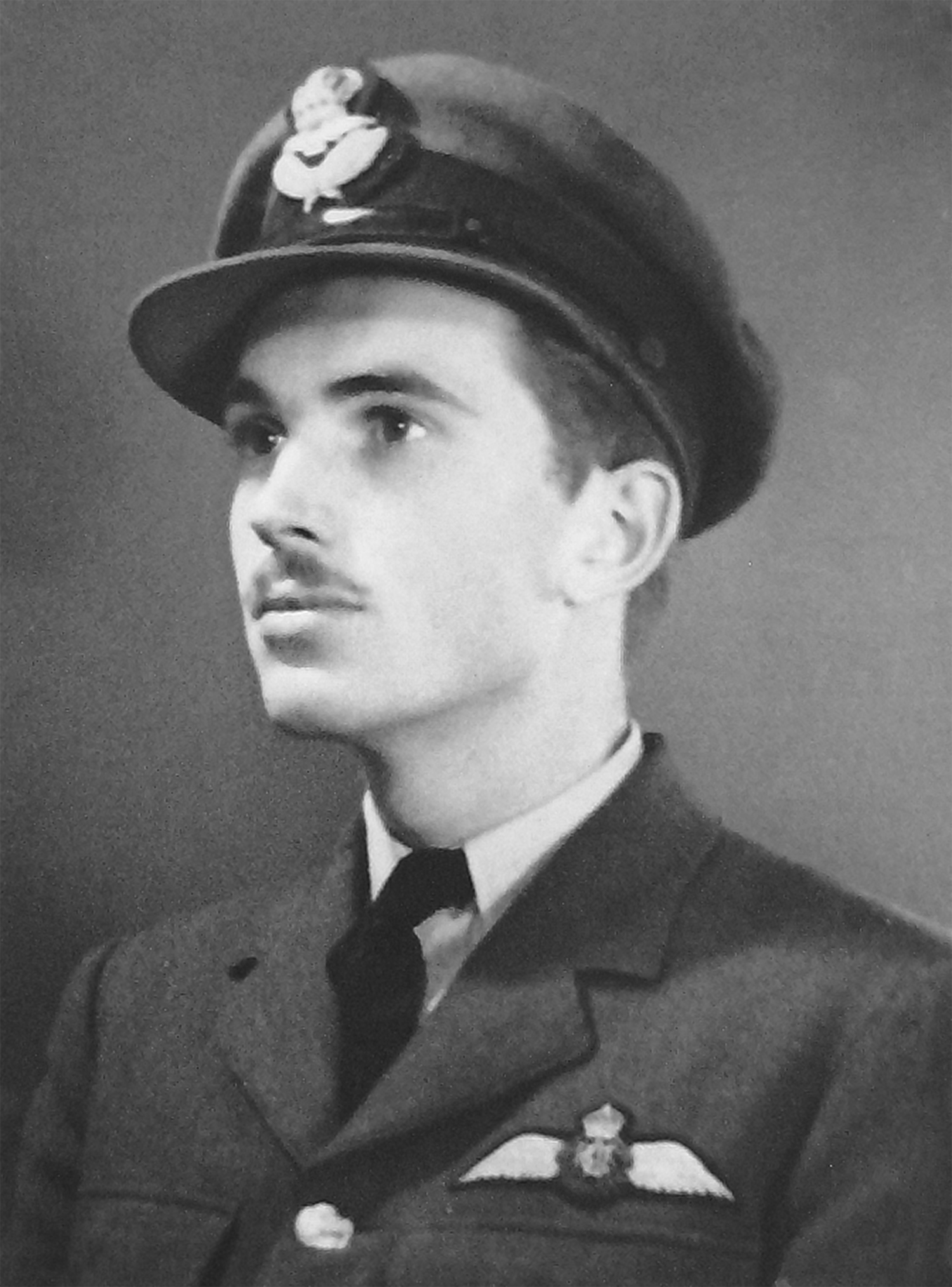
There is another memory that returns to me often. I must have been in my early teens when I met a distant relative who served in the Indian Air Force. Like any young boy fascinated by aviation, I could barely take my eyes off the wings on his uniform. To me, they seemed almost magical. They were not pieces of metal stitched onto a tunic. They represented everything I dreamed of becoming. Unable to contain my curiosity, I finally asked him, “How do you get those wings?” He smiled, looked at me for a moment, and replied, “You earn them. You don't get them.”
At the time, it seemed like a simple answer. Years later, I understood its deeper meaning. Those wings were not decorations. They were symbols of sacrifice, discipline, perseverance, and countless hours of training. They represented failures overcome, fears conquered, and standards met. They could not be bought, gifted, inherited, or wished into existence. They had to be earned.
That brief conversation stayed with me for the rest of my life. Whenever I saw a pilot, I no longer saw just an aircraft or a uniform. I saw the journey behind those wings. The effort. The dedication. The price paid to wear them. Perhaps that was one of the earliest moments when I began looking beyond the uniform and becoming interested in the person who wore it.
There is a moment that most of us never see. A moment that unfolds quietly, far away from television cameras, social media posts, victory parades, and national celebrations. A moment when a young soldier folds a letter and places it carefully inside his backpack. A moment when a pilot looks at a photograph of his family before climbing into a cockpit. A moment when a sailor standing alone on the deck of a warship stares into an endless horizon and wonders what his children are doing back home.
These moments rarely make headlines. Yet these moments are where the real story lives. For years, I have written about the armed forces. I have written about battles, missions, operations, courage, sacrifice, and service. But over time, I realized that the most powerful stories are not always about the bullets fired, the borders defended, or the medals awarded.
The most powerful stories are about people. The stories behind the uniform. Because before there is a soldier, there is a son. Before there is an officer, there is a daughter. Before there is a warrior, there is a human being carrying dreams, fears, hopes, memories, and responsibilities that look remarkably like our own. We often see the uniform. We rarely see the life inside it. And perhaps that is why these stories matter.
I remember meeting veterans whose eyes carried entire histories they never spoke about. Men who had walked through gunfire with extraordinary courage but became emotional when speaking about their mothers. Officers who had led troops through impossible situations yet struggled to describe the day they missed their child's birthday because duty called. Their voices would change. The soldier would disappear. The father would emerge. The warrior would become human again. And that is when the real story would begin.
There is a tendency in society to view military personnel as larger than life. We place them on pedestals, celebrate their bravery, and admire their discipline. They deserve every bit of that respect. But in doing so, we sometimes forget something important. Heroes are not born without fear. They are ordinary people who carry fear and move forward anyway.
The young lieutenant standing on a freezing post in the Himalayas is not fearless. He simply understands that someone must stand there. The fighter pilot racing into the darkness of the night sky is not immune to uncertainty. She simply refuses to let uncertainty dictate her actions. The commando preparing for a dangerous mission is not unaware of risk. He simply accepts it as part of his duty.
And that acceptance comes at a price. A price measured not only in danger but in absence. The missed anniversaries. The empty chair at family celebrations. The phone calls that never happen because operational security comes first. The birthdays watched through photographs. The parents who grow older while their children guard distant frontiers. The spouses who become both mother and father while deployments stretch into months. The children who learn early that serving the nation often means sharing their loved one with millions of strangers. Every uniform carries these invisible sacrifices. Every medal has a family standing silently behind it. Every act of bravery has a story that begins long before the battlefield.
Perhaps that is why I keep returning to these stories. Because they remind us that patriotism is not an abstract concept. It has faces. It has names. It has families. It has tears. And sometimes those tears are hidden.
I have often wondered what goes through the mind of a soldier during a quiet night on a remote border post. Not during combat. Not during crisis. Just during silence. When the mountains are still. When the stars seem impossibly bright. When home feels a thousand miles away. Perhaps he thinks about his mother's cooking. Perhaps he remembers a conversation he had with his father years ago. Perhaps he imagines attending his daughter's school function. Perhaps he wonders whether anyone truly understands the weight of the responsibility resting on his shoulders. Or perhaps he simply stands there, watching over a sleeping nation that may never know his name.
There is something profoundly moving about that thought. Millions sleep peacefully. A few remain awake. Not for recognition. Not for applause. Not for fame. Simply because that is their duty. And duty, in its purest form, is one of the most beautiful expressions of love. We rarely think of it that way. But perhaps we should.
Because what is service if not love expressed through sacrifice? What is standing guard in a blizzard if not love for people you may never meet? What is flying into danger if not love for a nation larger than oneself? What is enduring separation from family if not love strong enough to place the needs of many above the desires of one? The stories behind the uniform are, at their heart, stories about love. Love of country. Love of family. Love of comrades. Love of ideals. And sometimes, heartbreakingly, love that asks for more than seems fair.
As an author, I often find myself drawn not to the grand moments but to the quiet ones. The wife waiting for a phone call. The mother staring at an old photograph. The veteran touching a medal and remembering friends who never came home. The young officer writing a final letter just in case. The recruit taking an oath and feeling the weight of history settle upon his shoulders.
These moments reveal something essential about the human spirit. They remind us that courage is not the absence of emotion. It is the triumph of purpose over emotion. The strongest soldiers I have encountered were not the hardest. They were often the most compassionate. The men and women who understood loss. Who understood responsibility. Who understood what it meant to protect something precious. Because true strength is rarely loud. It is steady. Quiet. Unyielding. Like a sentry standing watch through the night.
Over time, people with whom I interacted, have asked me why I continue writing military stories. The answer is simple. Because these stories deserve to be remembered. Not merely the operations. Not merely the victories. Not merely the strategic decisions. But the people. The lives. The dreams. The sacrifices. The humanity.
History records wars. Stories preserve souls.
The historian tells us what happened. The storyteller helps us understand what it meant. Both are essential. One preserves events. The other preserves humanity. History records the date of a battle, the objectives of an operation, and the outcome of a campaign. But stories preserve something far more fragile and enduring. They preserve a mother's prayer, a father's pride, a comrade's loyalty, a young officer's fears, and a family's quiet resilience.
Long after mission reports are archived and headlines fade, these human truths remain. And it is often through those truths that we come closest to understanding the real cost of service. A father's pride. A soldier's promise. A comrade's loyalty. A family's resilience. These are the things that endure. These are the things that matter.
When I sit down to write, I am not merely trying to tell a military story. I am trying to honour a life. To capture a truth. To preserve a memory. To ensure that somewhere, in some small way, the person behind the uniform is remembered. Because every uniform has a heartbeat. Every rank has a story. Every salute has a history. Every sacrifice has a face. And every hero was once someone's child, someone's dream, someone's world.
They became part of a world that I admired from afar. A world I wanted desperately to belong to. And maybe that is why I write. Not because I know their lives. But because I respect them enough to spend my life trying to understand them.
I often say that I write about the armed forces. The truth is much simpler. I write about people. The uniform merely introduces them. The story begins much deeper. It begins with a mother kissing her son goodbye at a railway station. It begins with a father pretending to be strong as his daughter leaves for military training. It begins with a young cadet standing in formation for the first time, trying to hide the nervousness behind a determined face. It begins with ordinary people making extraordinary choices.
Over the years, I have met veterans whose eyes carried entire libraries of untold stories. Stories of courage. Stories of friendship. Stories of fear. Stories of heartbreak. Stories of laughter. Stories of loss. Most never spoke about themselves. That was the remarkable thing. The bravest men I met rarely discussed bravery. Instead, they spoke about friends. A course mate. A squadron buddy. A fellow officer. A jawan who never came home. A face. A voice. A memory.
Sometimes I would sit and listen. Hours would pass unnoticed. And somewhere during those conversations, I began to understand something. The greatest military stories are not about war. They are about humanity. They are about young men and women who leave behind everything familiar and step into uncertainty because duty asks them to. They are about parents who smile proudly while hiding their fears. They are about wives and husbands who learn the art of waiting. They are about children who grow up understanding that service often means absence.
They are about sacrifice. Not the dramatic kind we see in films. The quieter kind. The everyday kind. The kind that leaves an empty chair at the dinner table. The kind that misses birthdays. The kind that postpones anniversaries. The kind that spends festivals thousands of miles away from home. The kind that asks families to share their loved ones with an entire nation.
I think about that often. Because every medal has fingerprints on it. Not just those of the person who wears it. But those of the people who waited. The people who worried. The people who prayed. The people who sacrificed alongside them.
And yet, despite all these years of writing, I still approach every story with hesitation. With humility. And often with self-doubt. Because I am painfully aware that I am not the hero of these stories. I am merely the storyteller. A man sitting in front of a blank screen, struggling to find words large enough to contain lives lived with extraordinary courage. There are days when writing feels impossible. Days when every sentence feels inadequate. Days when I stare at a paragraph for hours and wonder whether I have done justice to the people whose experiences I am trying to capture.
The truth is, I stumble. A lot. I rewrite endlessly. I delete pages. I start over. I question myself. I wonder whether I am worthy of telling these stories. Whether I can ever truly understand the weight of a soldier's burden. Whether I can accurately describe the loneliness of a border post at three in the morning. Whether I can capture the emotions of a fighter pilot climbing into a cockpit before a dangerous mission. Whether words are enough. Most of the time, they are not. But I keep trying. Because some stories deserve the attempt. Even if the storyteller falls short. Even if the storyteller stumbles. Even if the storyteller never finds the perfect words. Because forgetting would be far worse than imperfection.
I often imagine a young officer standing watch on a remote mountain post. The wind is relentless. The cold penetrates everything. The night is endless. Far below, cities glow with life. Families sleep peacefully. Children dream. Couples make plans for tomorrow. The nation rests. And there he stands. Unknown. Unseen. Uncelebrated. Guarding people who will never know his name. There is something profoundly moving about that image. Something that refuses to leave me. Perhaps because it represents the purest form of service.
To give without expectation. To sacrifice without recognition. To endure without complaint. To protect without applause. How do you adequately write about something so beautiful? The honest truth is that I don't know. I am still learning. Still trying. Still failing. Still beginning again.
Every book I write feels like an apology for not being able to say enough. Every story feels incomplete. Every page feels insufficient. Yet I continue. Because somewhere, there is a veteran whose memories deserve preservation. Somewhere, there is a family whose sacrifice deserves recognition. Somewhere, there is a young officer beginning a journey that future generations should remember. And somewhere, there is a story waiting to be told.
That is why I write. Not because I succeeded in becoming the fighter pilot I once dreamed of being. But because life gave me another mission. A different runway. A different set of wings. I may never have flown combat sorties. I may never have worn a pilot's wings upon my chest. I may never have heard the roar of an afterburner from inside the cockpit. But perhaps, in some small way, I was given something else. The privilege of listening. The privilege of remembering. The privilege of telling stories that might otherwise disappear with time.
And if my words can make even one reader pause and think about the human being behind the uniform... If they can help someone understand the sacrifice behind a salute... If they can remind a nation that every soldier is someone's child, someone's spouse, someone's parent, someone's entire world... Then perhaps that is enough. Because nations are defended by soldiers. But memories survive because someone tells their stories.
That is all I am trying to do. One story at a time. One page at a time. One imperfect sentence at a time. I am not a pilot. I am not a soldier. I am not a war hero. I am simply a man who once looked at the sky and dreamed of flying. A man who never stopped admiring those who did. A man who still struggles for the right words. A man who still stumbles every time he sits down to write. But also a man who believes that the stories behind the uniform are too important to remain untold.
And so I will keep writing. For the young cadet taking his first oath. For the veteran carrying memories too heavy for silence. For the families who wait. For the heroes history remembers. And for the countless others whose names may never appear in history books.
Because every uniform carries a heartbeat. Every heartbeat carries a story. And as long as I am able to write, I will spend my life trying to tell them.
As I write these words, somewhere a soldier stands guard. Somewhere a pilot prepares for another sortie. Somewhere a sailor watches the sea beneath a moonlit sky. Somewhere a family waits. And somewhere a nation sleeps peacefully because they do not.
Perhaps that is the greatest story of all. Not the story of war. Not the story of victory. But the story of ordinary people who choose extraordinary service. The story behind the uniform. The story that deserves to be told. The story I will continue to write for as long as I can hold a pen. Because nations are protected by armies. But they are remembered through stories. And some stories deserve to live forever.
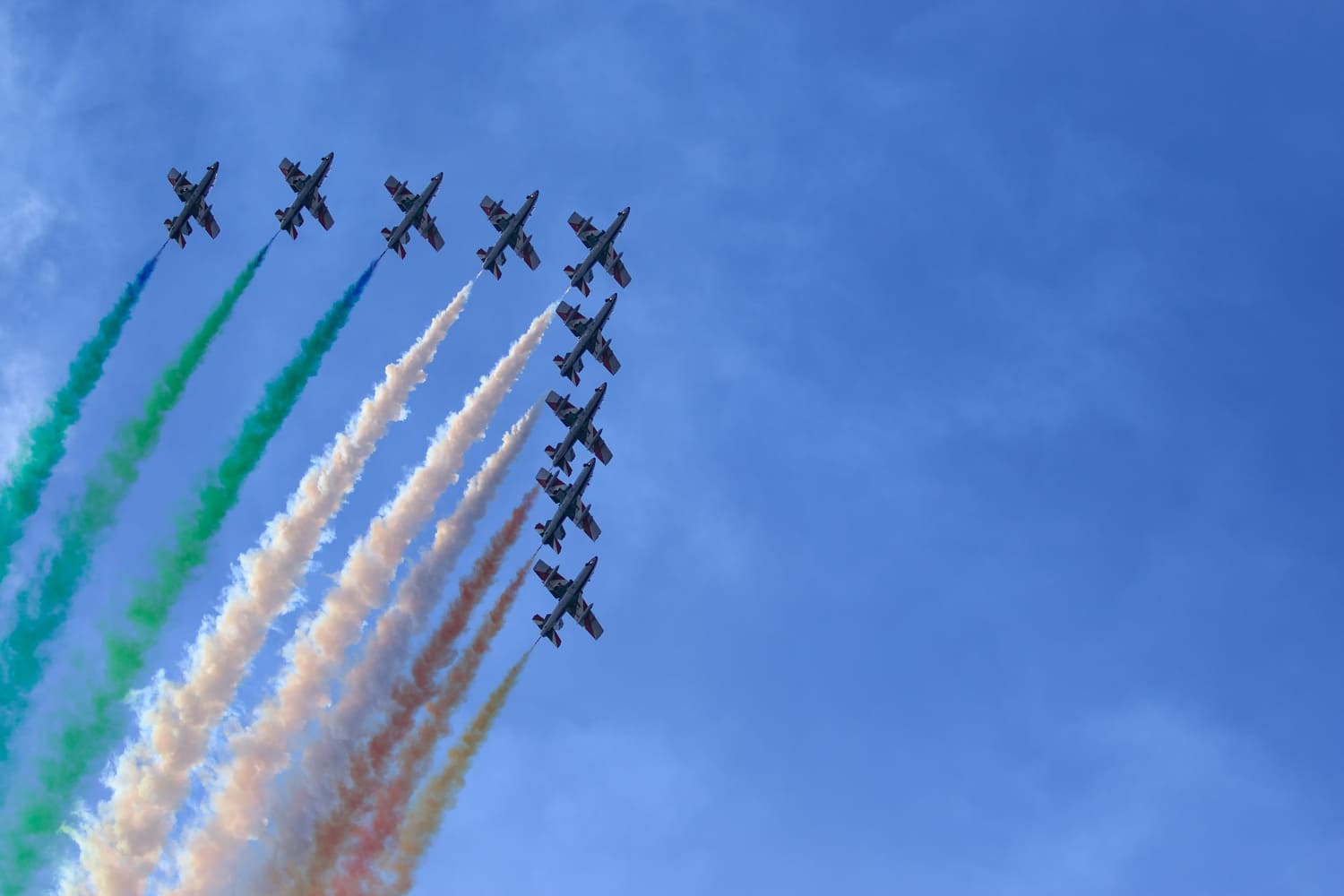
Perhaps that belief began long before I ever wrote my first story. When I was a boy, I would stop whatever I was doing whenever an aircraft crossed the sky. I would look up and wonder who was flying it and what the world looked like from above the clouds.
Life took me down a different runway. I never earned the wings I once dreamed of wearing. I never sat in the cockpit of a fighter aircraft. But perhaps destiny had another flight plan. Instead of living those stories, perhaps I was meant to tell them.
And if, through these stories, I can help even one reader look beyond the uniform and see the human being beneath it, then perhaps that young boy's dream never truly ended. It simply found another pair of wings.